There is still quite a lot of attention to the titration of glucosinolates in various plant materials. They are good markers of identity of many species from Brassicales order. Also, they are tracked as undesirable substances in food/feed products due to their bitter mustard-like taste. Some are considered as precursors of potentially health beneficial bioactives.
are emblematic examples of these specific substances.
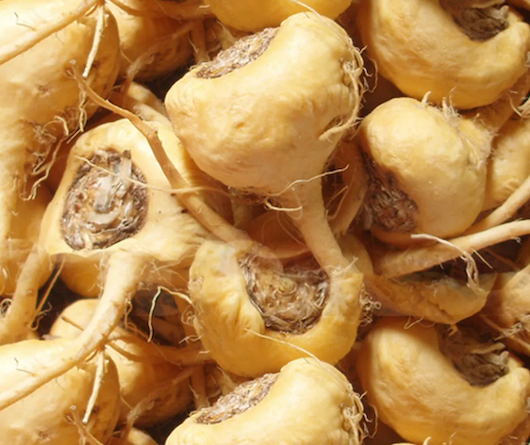
Glucolimnanthin from Maca
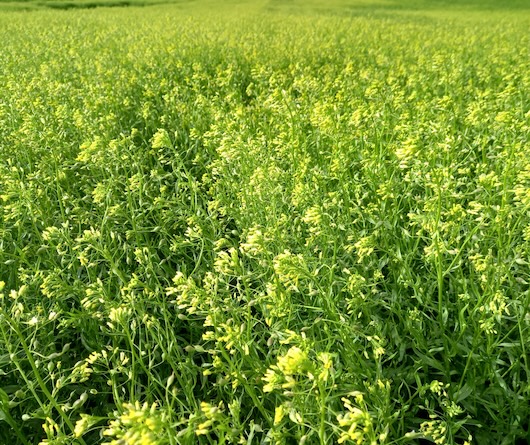
Glucolimnanthine is a key marker of Maca root (Lepidium meyenii), a very priced dietary supplement and subject to many fraudulent adulterations. Its presence and relative abundance compared to Glucotropaeolin is a good indication of its authenticity and quality. Xu and coll.,Journal of Pharmaceutical and Biomedical Analysis, 2021
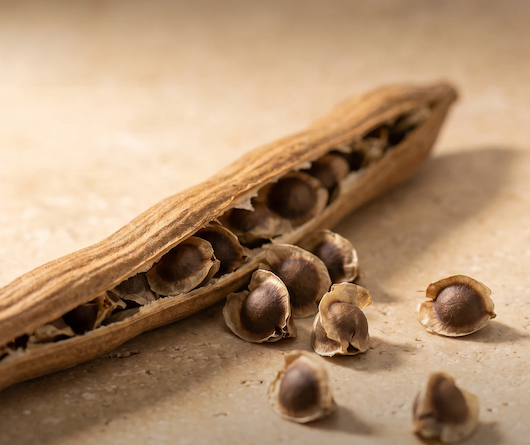
Many heath benefits of Moringa oleifera seeds, the “horseradish tree”, are associated to its content in Glucomoringin, releasing Moringin, a unique and bioactive glucosylated isothiocyanate, after hydrolysis by the enzyme myrosinase. Borgonovo and coll., Molecules, 2020
Glucolimnanthine is a key marker of Maca root (Lepidium meyenii), a very priced dietary supplement and subject to many fraudulent adulterations. Its presence and relative abundance compared to Glucotropaeolin is a good indication of its authenticity and quality. Xu and coll.,Journal of Pharmaceutical and Biomedical Analysis, 2021
Discover our expertise in glucosinolate isolation and chemistry. Do not hesitate to ask for custom development of reference materials: phytochemicals or botanicals.