Elderberry Anthocyanidins

55 views

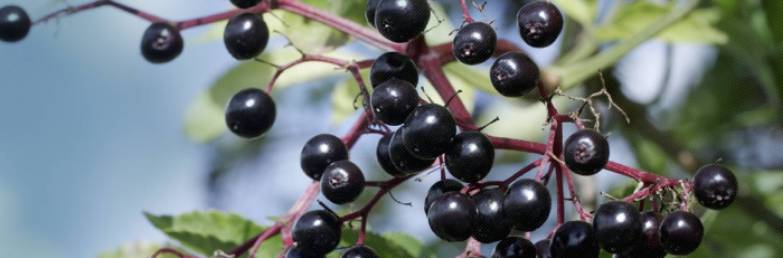
European elder (Sambucus nigra L.) is a tree native to Europe and the Caucasus, yielding dark purple fruit historically used in herbal medicine. Its North American counterpart, the American elder (Sambucus canadensis L.), is a closely related and morphologically similar species found from Canada down to Central America. While they appear similar, researchers distinguish them through their unique and specific anthocyanin profiles.

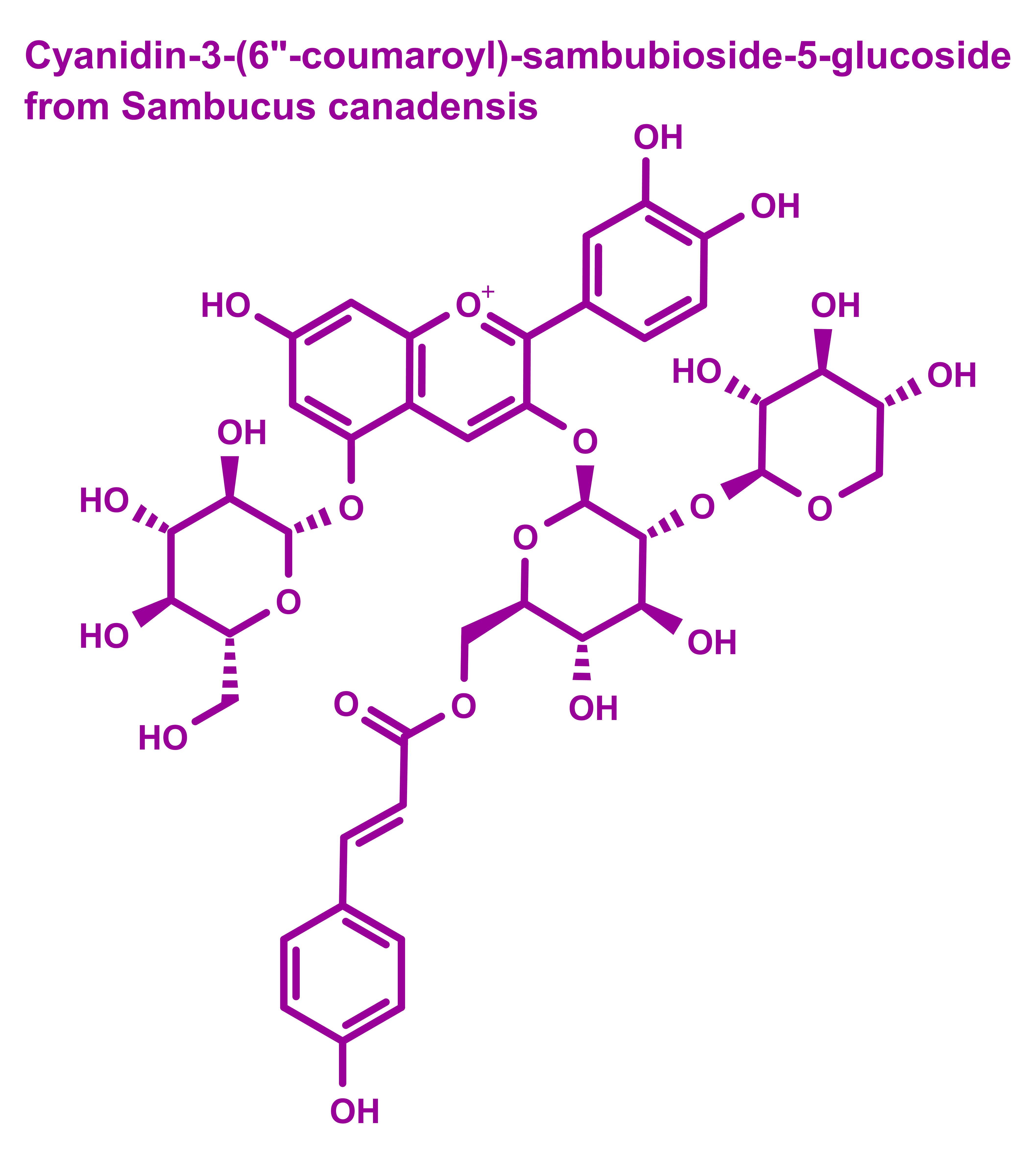
The profile of S. nigra is dominated by non-acylated compounds, specifically cyanidin-3-O-glucoside and cyanidin-3-O-sambubioside. Crucially, authentic European elderberry lacks acylated anthocyanins entirely. Conversely, S. canadensis contains a high percentage of complex acylated pigments, which typically make up roughly 70% to 80% of its total anthocyanin content.

The definitive marker for S. canadensis is cyanidin-3-O-[6-O-(E)-p-coumaroyl]sambubioside-5-O-glucoside. This p-coumaroylated compound is the major pigment in American elder but is not detected in S. nigra. This structural difference is significant for the food industry; the presence of this acyl group provides American elderberry pigments with much higher stability against heat and sunlight than the non-acylated versions found in the European species. Therefore, identifying these specific acylated markers allows for the clear differentiation and authentication of these two elderberry species in commercial extracts.

Read : Lee and coll., J Sci Food Agric 2007

All Elderberry anthocyanins available as analytical standards
for authentication and quantification in EXTRASYNTHESE catalog.